Cutting fuel burn by 6%: a fleet-wide condition-monitoring case study
Twelve months, twenty-two vessels, one focused condition-monitoring program. The story of where the savings actually came from.
Fuel is the largest single operating cost on most vessels and the largest single source of emissions. Owners have heard the savings pitches for years, but the credible numbers tend to land between two and four percent. Over the past twelve months, working with a mid-sized owner across twenty-two vessels, we delivered an average reduction of six percent in fuel burn at sea. The headline is real. The story behind it is more useful.
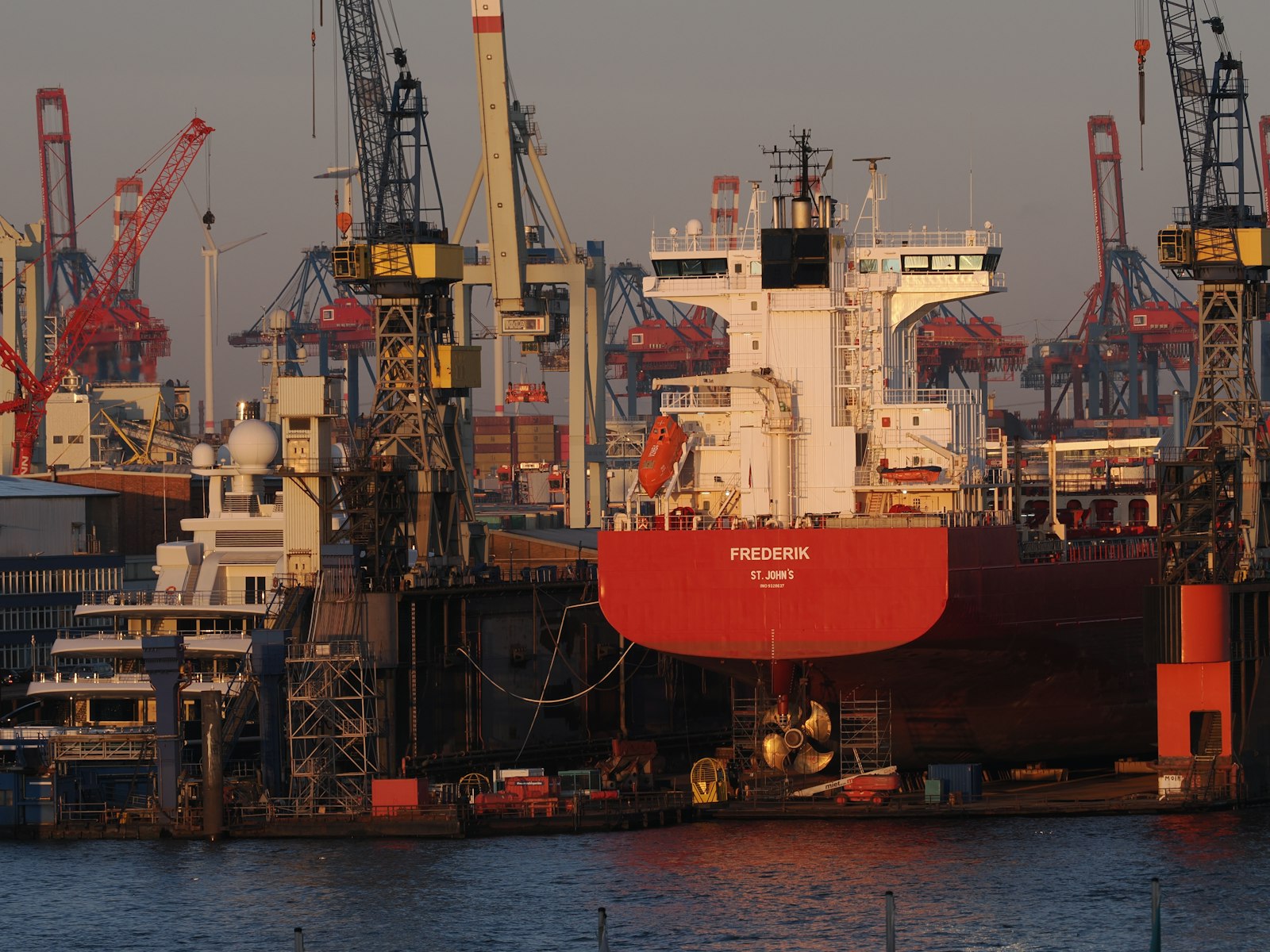
The first lever was hull and propeller condition. Continuous monitoring of speed, power and weather allowed us to detect biofouling weeks earlier than the standard noon report regression. On the vessels where we acted on the early signal with mid-voyage cleanings, the recovery was measurable within days. On the vessels where the signal was ignored, the inefficiency compounded until the next drydock.
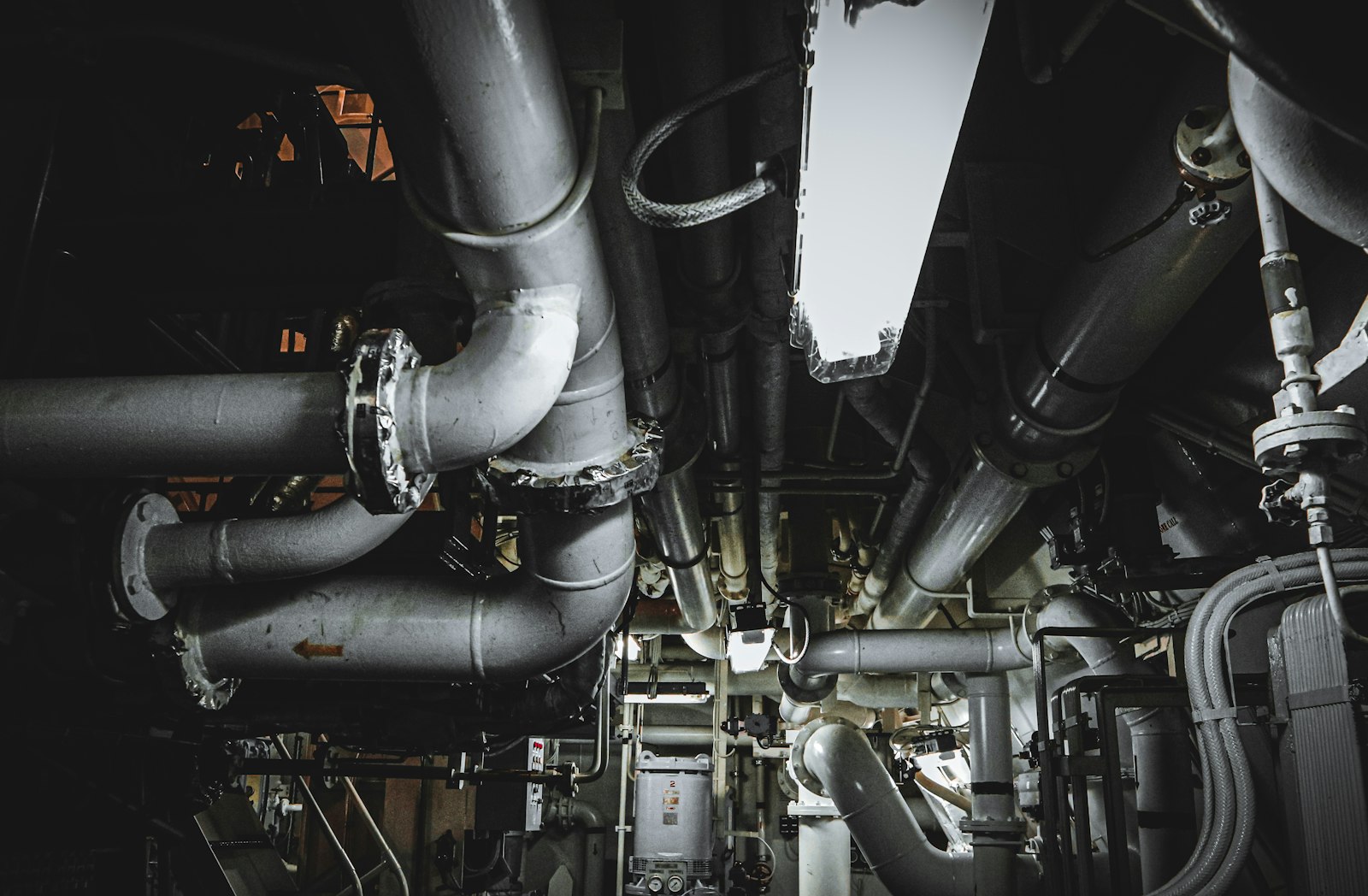
The second lever was main engine performance. We instrumented turbocharger inlet temperatures, scavenge air pressure and exhaust gas temperatures at higher frequency than the OEM standard, and ran a per-cylinder deviation model. Out-of-balance cylinders were caught and corrected within two voyages on average. The savings here were smaller than hull cleaning, but cumulative across the fleet they were significant.
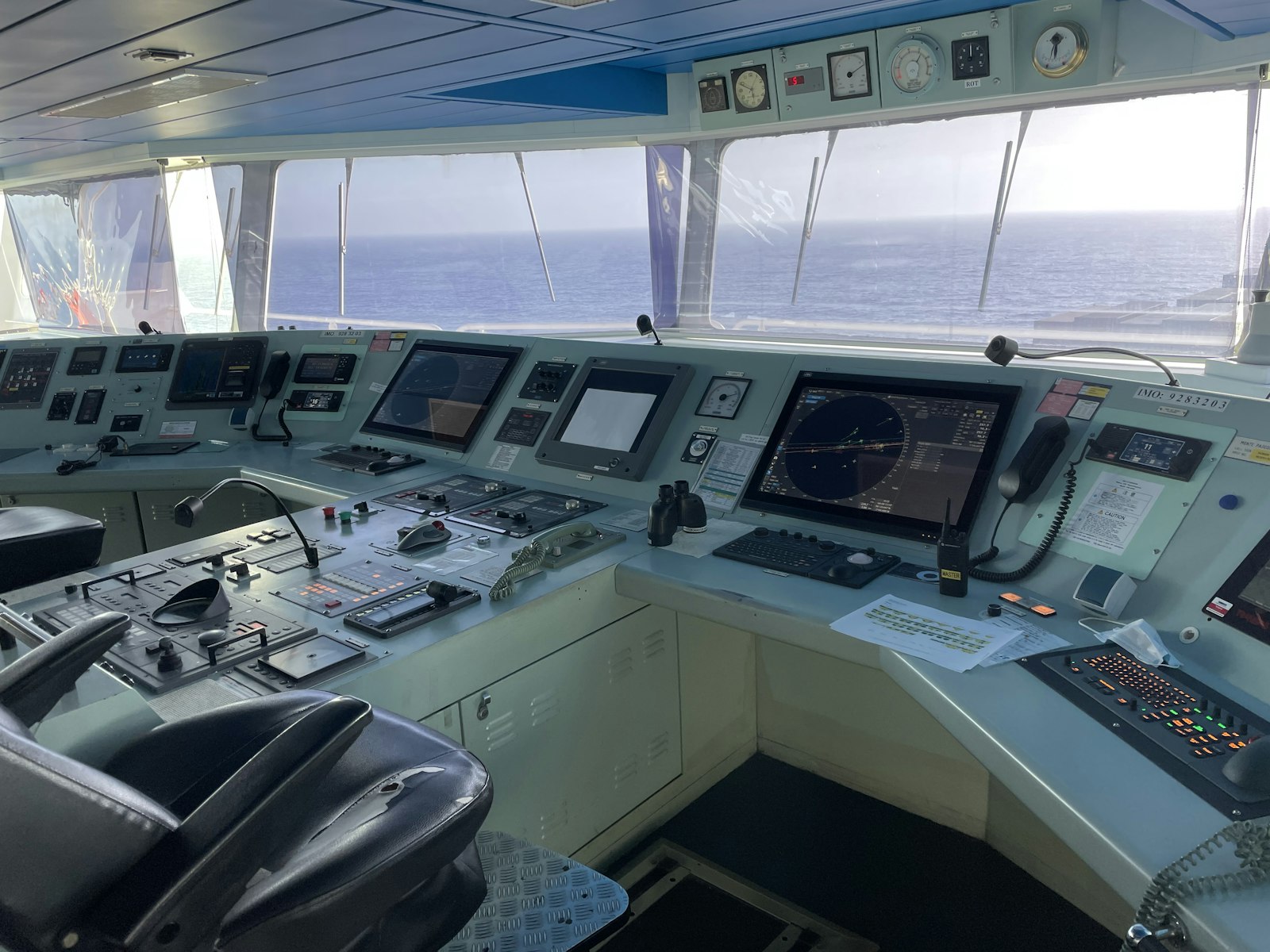
The third lever, and the most underrated one, was crew behaviour. The same vessel under two different masters can vary by three to five percent in fuel burn for the same route and conditions. We did not name and shame. Instead, we built a coaching loop where each master saw their own performance against fleet peers, with the option to discuss any anomaly with a shore engineer. Within four months, the spread between the highest and lowest performers narrowed by half.
What did not work is also worth saying. Pure AI-driven optimisation, divorced from the engineer on the bridge, produced recommendations that were technically correct and operationally impossible. Speed reductions during weather windows that contradicted charter party clauses, route deviations that breached emission control area rules, and trim adjustments that crew did not trust. We learned to position the model as an advisor, not an autopilot.
Six percent across a fleet is real money and real emissions. It does not require a moonshot platform. It requires honest data, focused interventions and a respect for the people who run the vessels. The technology is necessary, but it is not sufficient.