Why drydock planning still slips, and how to fix it
Most drydocks miss budget by ten to fifteen percent. The root cause is rarely the yard. It is upstream, in scope, parts and decision rights.
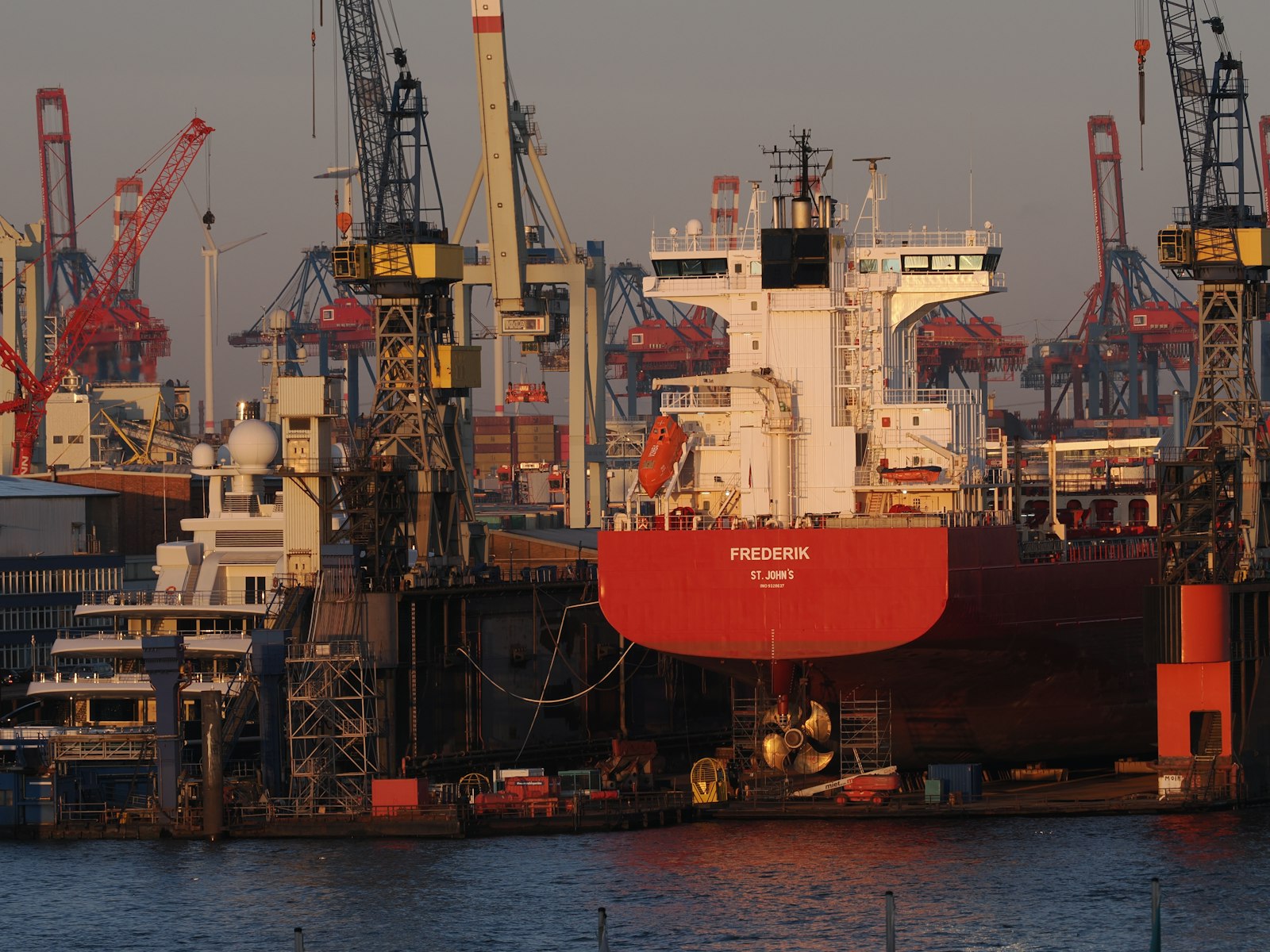
Drydock overruns are one of the most predictable surprises in ship management. Across the projects we have supported in the last three years, the average cost overrun sits between ten and fifteen percent of the original budget, and the schedule slips by four to eight days. Owners blame yards, yards blame owners, and consultants blame the weather. The data tells a clearer story: the slip is built in long before the vessel arrives.
Scope is the first culprit. The work list typically grows by twenty to thirty percent between contract signing and arrival, mostly through late additions from technical superintendents who finally have the vessel in their sights. Each addition seems small, but each one carries a hidden tail of parts, certificates and cross-trade dependencies. By the time the cumulative effect appears, it is too late to reprice or reschedule cleanly.
Parts logistics is the second. A drydock is a forty-day window where every long-lead item needs to land in the right yard, in the right condition, with the right paperwork. Ship spares supply at this scale is unforgiving. We routinely see jobs delayed not because the steel work was hard, but because a single non-class-approved gasket arrived three days late and triggered a reinspection. Treating parts as a logistics problem rather than a procurement problem changes the outcome.
Decision rights are the quiet third. Yards are excellent at executing clear instructions and very poor at guessing intent. When the owner's representative cannot approve a deviation on the spot, the vessel sits idle while emails cross time zones. We now write a single-page decision matrix into every drydock charter, naming who can approve up to which dollar amount, and within which hours. The matrix is unglamorous and saves real money.
The fix is structural, not heroic. Freeze the work list four weeks before arrival and treat anything later as a change order with explicit cost and time impact. Run the parts plan as a critical path, not a checklist, with a single accountable owner across owner, manager and yard. And empower a representative on site to make decisions inside a defined envelope. Owners who adopt this trio routinely come within three percent of budget.
EcoGuard Drydock automates most of this work. The platform pulls scope, parts and approvals into one timeline, flags when a late addition will breach the freeze date, and gives shore management a clear view of cost and schedule risk in near real time. The tool helps, but the discipline is what saves the project.