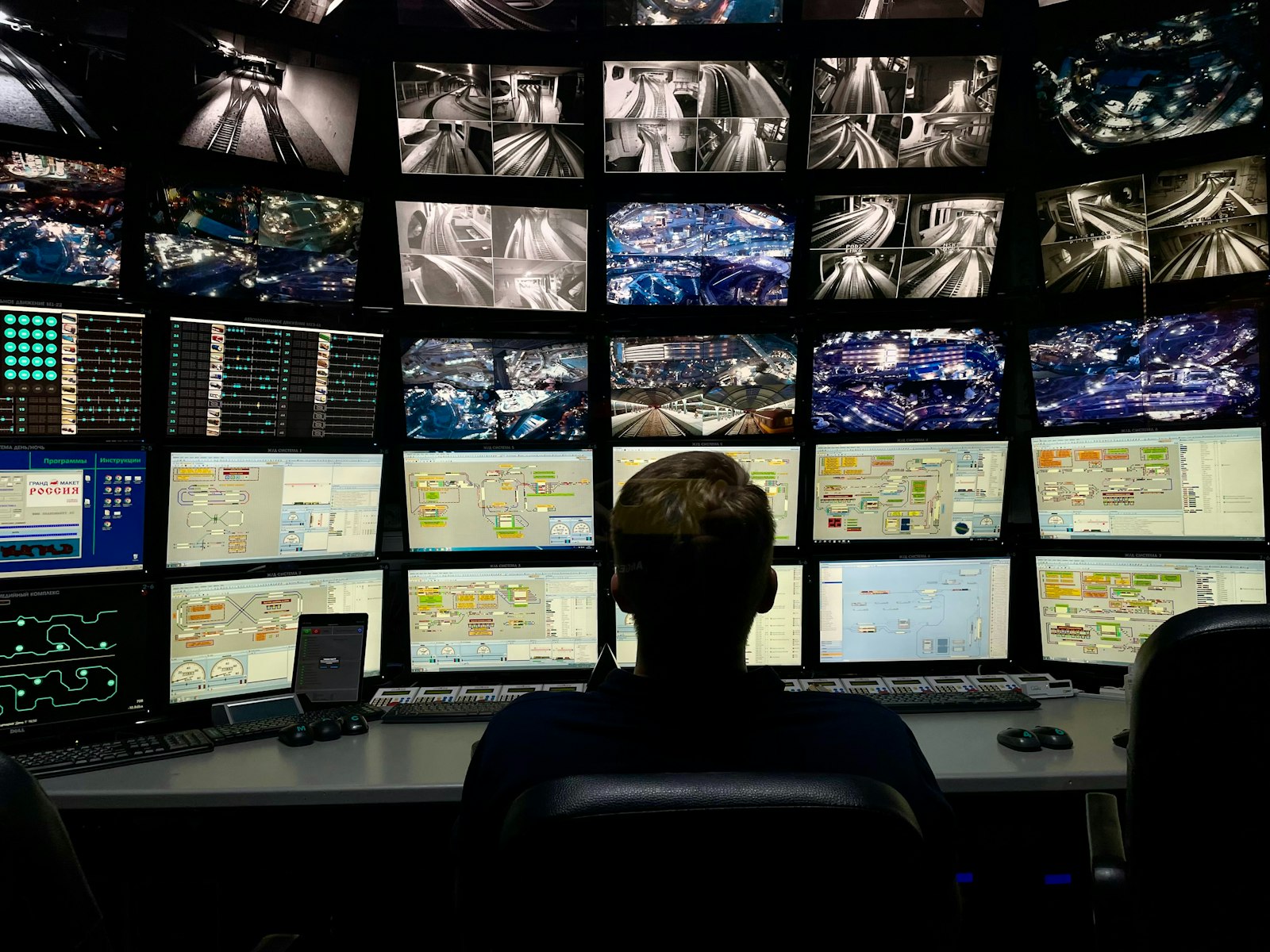
The connected fleet: how I-SHIP unifies vessel, shore and cloud
A practical look at the architecture, data contracts and operating model that turn a fleet of independent vessels into a single, observable system.
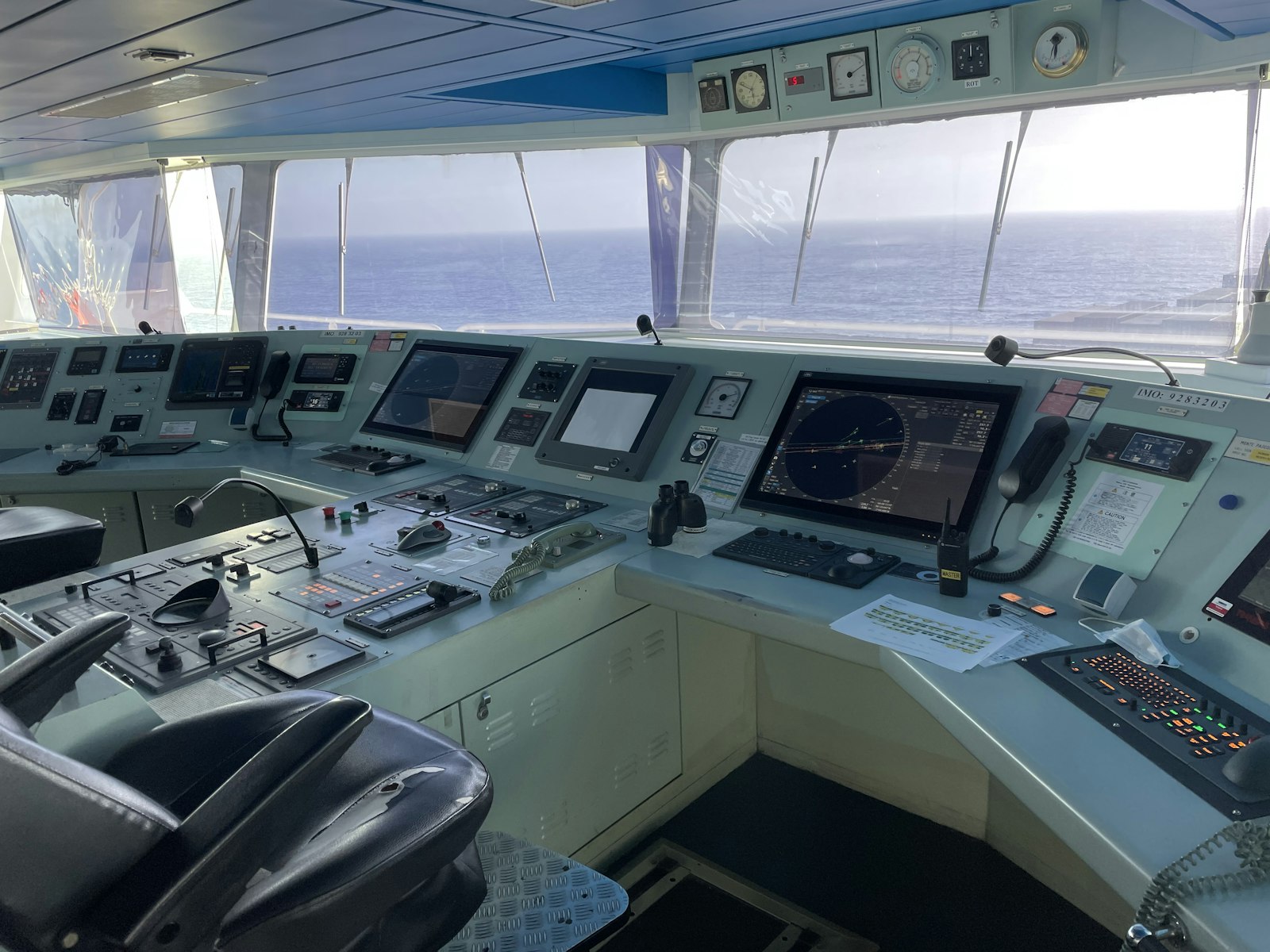
For most shipowners, the gap between what happens on a vessel and what shore teams can actually see in real time is still measured in hours, sometimes days. Noon reports, manual exports and email attachments dominate the data flow. The connected fleet idea is straightforward: every important signal from the engine room, bridge and operations desk should land in a shared, structured store within minutes, with the right access controls and the right context.
We built I-SHIP around a three-layer model. On the vessel, a hardened edge node aggregates signals from automation, navigation and crew systems, normalises them against a common schema, and buffers them when satellite links are degraded. On shore, a fleet broker enforces tenant isolation, applies governance rules and routes data to the right consumers. In the cloud, a data lake feeds analytics, AI models and the EcoGuard SaaS suite without ever forcing a department to chase the source of truth.
The hardest part is not the pipes, it is the contracts. Every signal that crosses a layer needs a stable name, unit, owner and quality score. We treat data contracts the way avionics treats interfaces: versioned, reviewed and tested. When a sensor is added or replaced, the contract is updated first, the firmware second, and the analytics last. This discipline removes most of the silent data drift that quietly corrupts dashboards over a long voyage.
Security is woven through every layer rather than bolted on at the perimeter. Edge nodes run signed firmware, mutual TLS to the broker, and a deny-by-default policy for outbound traffic. Shore brokers enforce role-based access for crew, technical superintendents, charterers and class. The cloud applies tenant isolation at the database level, plus continuous monitoring of access patterns. The result is a posture that satisfies IACS UR E26 and E27 expectations without slowing the operation down.
Operationally, the connected fleet pays back in three places. Voyage planning gets fresher fuel and weather telemetry, so route choices stop relying on yesterday's noon report. Maintenance planning gains real condition data, which thins out unnecessary calendar work. And commercial teams finally have a defensible number to share with charterers, insurers and class societies. None of this requires ripping out the existing OEM stack, only agreeing on the contract at the boundary.
If you are starting this journey, resist the temptation to begin with a dashboard. Start with one signal, end to end, with a named owner on the vessel and a named owner on shore. Prove the contract, prove the latency, prove the audit trail. Then add the next signal. A fleet that is honestly connected on twenty signals will outperform one that is theoretically connected on two hundred.