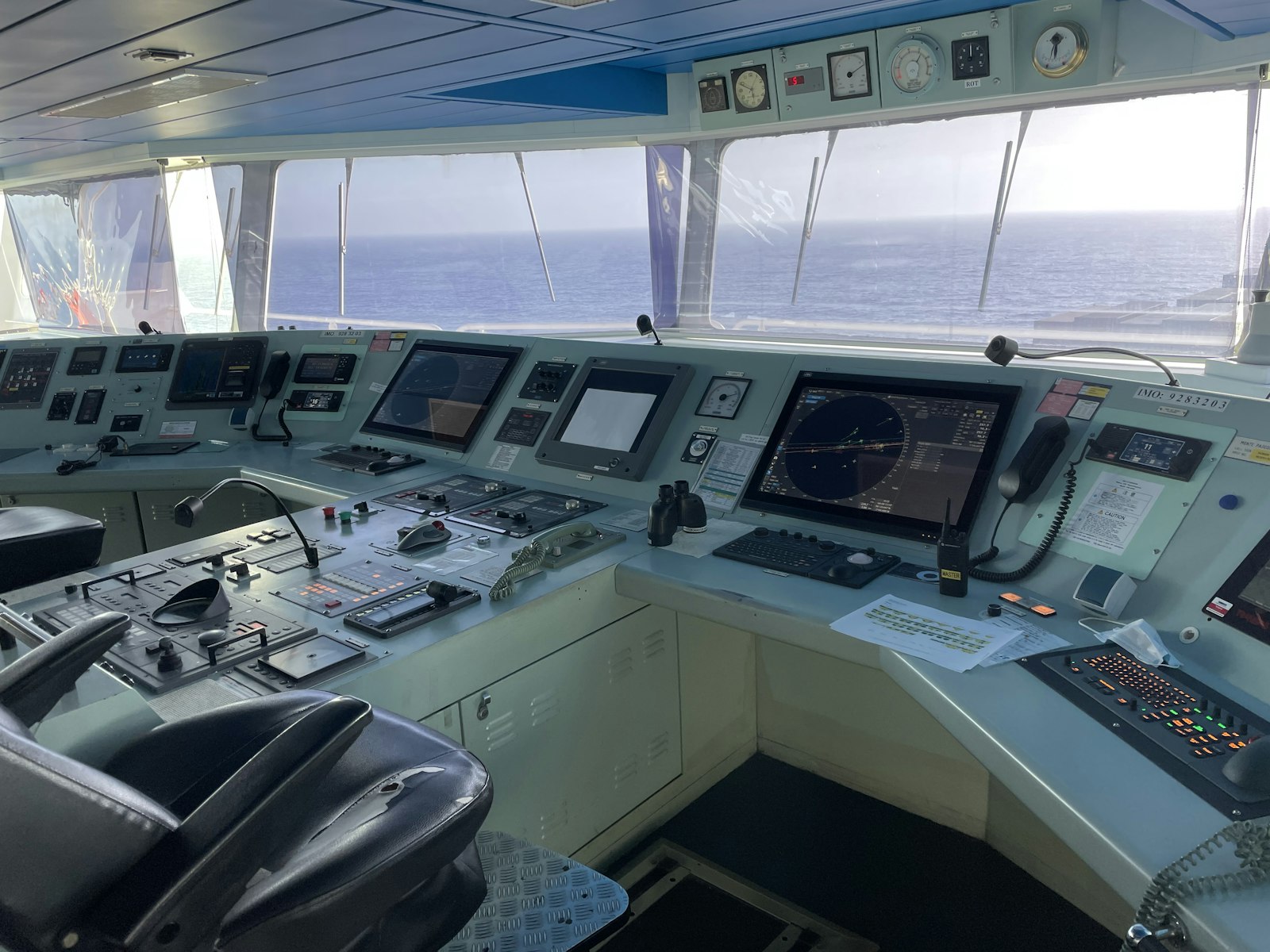
STCW compliance in the SaaS era
Crew certification is moving from filing cabinets to live ledgers. Here is what good looks like, and the traps to avoid in the transition.
STCW compliance has always been a paperwork-heavy discipline. Every seafarer carries a stack of certificates, every flag state has its own quirks, and every port state control officer expects to see proof, fast. For decades the answer was filing cabinets, scanned PDFs and shared drives. SaaS has changed what is possible, but the transition is not as simple as digitising the binder.
A modern crew compliance platform should treat certificates as living records, not static files. Each record needs an issuing authority, an expiry date, a verification trail and a clear owner. The moment a certificate is uploaded, the system should know whether the seafarer is now compliant for the role, the vessel and the next voyage. If the system can only tell you about compliance after a manager runs a report, it is a filing cabinet with a search bar.
The first trap in the transition is treating digital records as a substitute for verification. A scanned PDF is not a verified certificate. We integrate with flag state and training provider APIs wherever they exist, and use a cryptographic verification step where they do not. This matters because port state control inspectors are increasingly comfortable challenging digital records, and a record that cannot be verified is a record that does not help in an inspection.
The second trap is over-automation of crew rotation. Algorithmic crew planning is powerful, but it must respect the human factors that no model captures fully: family events, medical appointments, religious observances, language pairings on the vessel. We design the planning tools to recommend rather than decide, and we measure how often a planner accepts the recommendation. If acceptance climbs above ninety percent, the model is good. If it climbs above ninety-eight percent, the planner has stopped thinking, and that is a different problem.
The third trap is fragmenting the seafarer experience. Crew should not need three apps to see their schedule, their certificates and their training. EcoGuard Crew Management consolidates this view, offers offline access, and lets the seafarer raise issues directly from the field. Adoption follows convenience, and convenience is what turns compliance from a chore into a habit.
Done well, SaaS-era STCW compliance reduces inspection findings, shortens crew change windows and gives the technical superintendent confidence in the readiness of every vessel. The technology is mature. What remains is the operating discipline to use it as a system of record, not just a system of storage.