Singapore as a maritime tech hub: what shipowners should know in 2026
From the Maritime Singapore Decarbonisation Blueprint to the latest digital regulations, what every owner doing business in the port should track.
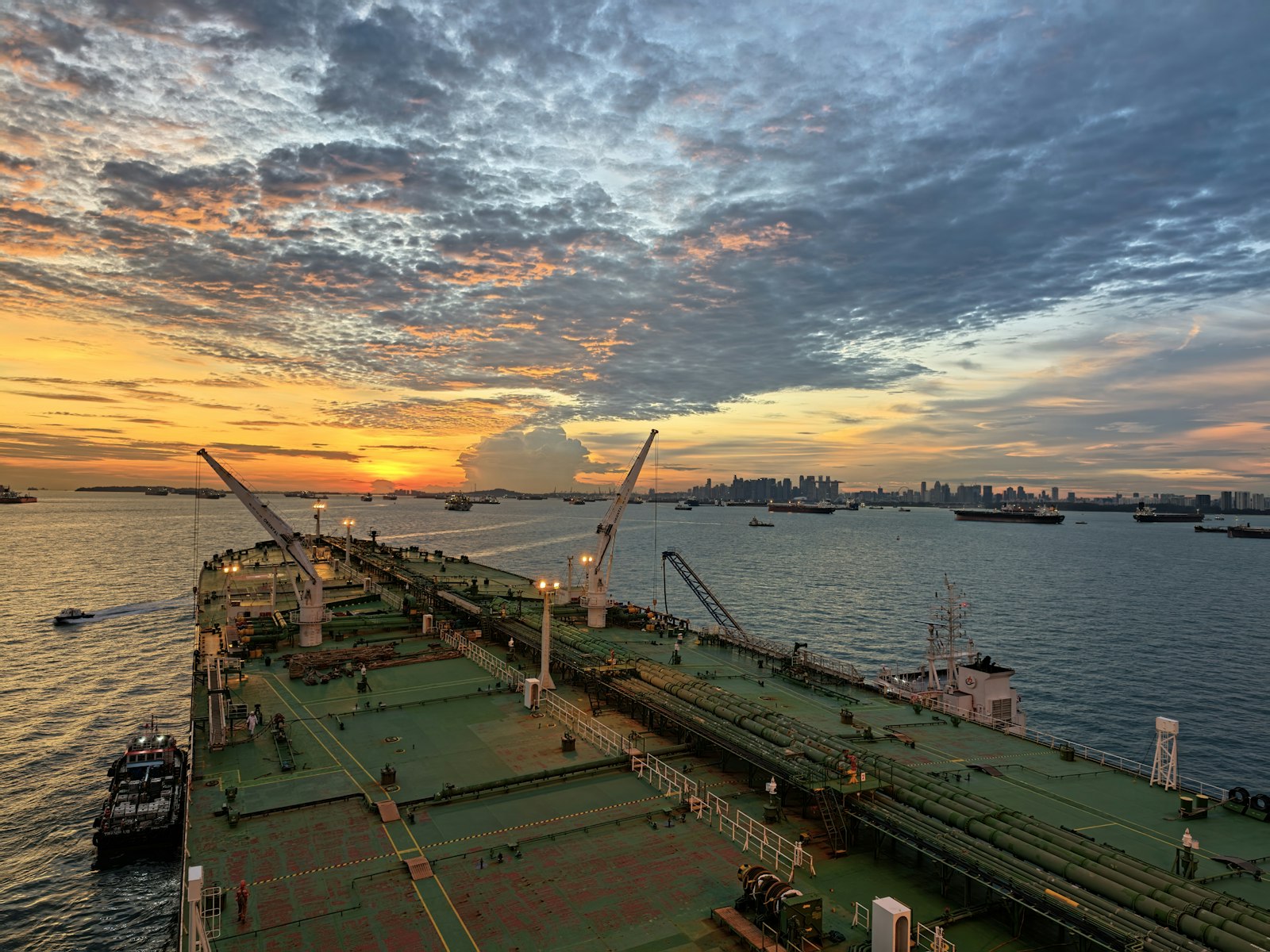
Singapore has been the busiest transhipment hub in the world for a generation, but its newer role as a maritime technology hub is what shipowners should pay attention to in 2026. The combination of regulatory clarity, talent density and dedicated infrastructure has turned the city-state into a place where new operating models are tested before they are exported globally.
The Maritime Singapore Decarbonisation Blueprint continues to set the pace on emissions. The latest update to the bunkering standards, including the rollout of biofuel and methanol bunkering, is creating real choice for owners who want to align with the IMO trajectory. Owners who treat Singapore as a fuel-flexible port today will have a meaningful operational advantage as charterers and cargo owners tighten their own targets through 2027 and beyond.
Cybersecurity regulation is moving in a similar direction. The Cyber Security Agency of Singapore is increasingly aligned with IACS UR E26 and E27, and the port itself is investing in shore-side network monitoring that interacts with vessels at berth. Owners calling Singapore should expect their cyber posture to be observed, not just declared. This is good news for operators who have invested seriously, and a wake-up call for those who have not.
Talent is the third pillar. The cluster of marine engineers, software engineers and naval architects in Singapore is unusually dense, and the public-private partnerships at NUS, NTU and the Singapore Maritime Institute keep the pipeline healthy. For owners building digital capability, hiring a small team in Singapore is one of the most efficient ways to add credible engineering depth without standing up a full R&D centre.
The infrastructure story is what ties it all together. Tuas Port, when fully operational, will be the largest fully automated container terminal in the world. The implications for vessel turnaround, just-in-time arrival and predictable berth windows are significant. Owners that align their voyage planning systems with Tuas data feeds will see immediate fuel savings from reduced waiting at anchor.
For shipowners and ship managers, the practical takeaway is simple. Singapore is no longer just a port to call, it is a platform to operate from. Treating it as such, with a small but capable presence and an active engagement with the regulator, is one of the highest leverage moves available in 2026.